
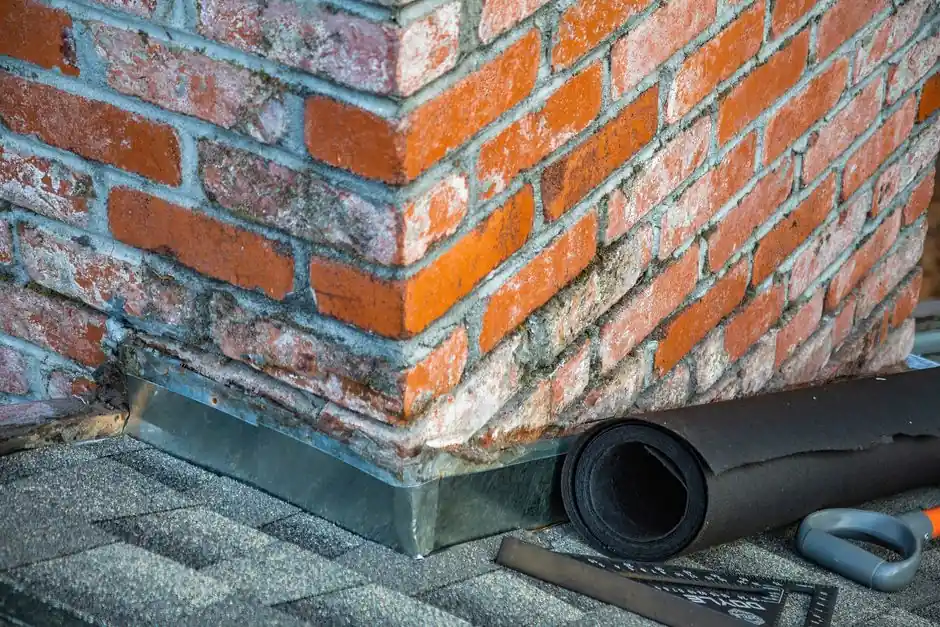
Full penetration inspection
We check every chimney, vent, pipe boot, valley, and wall intersection on the roof. Moisture meter and infrared thermal camera confirm where water is actually entering, not just where the stain shows up inside.
Every flashing repair starts with a full inspection of the roof's penetrations, not just the one you noticed. We check chimney, pipe boots, valleys, step flashing, drip edge, and skylights so you are not calling us back in three months for the next joint that fails.
We check every chimney, vent, pipe boot, valley, and wall intersection on the roof. Moisture meter and infrared thermal camera confirm where water is actually entering, not just where the stain shows up inside.
Old caulk and dried sealant gets cut out completely before new material goes down. Sealing over failed product is the number one reason flashing repairs fail early. We do it right the first time.
We install new metal or membrane flashing to Florida Building Code, using products from GAF, Owens Corning, CertainTeed, Henry Company, or Sika depending on the roof system. Fasteners are corrosion-resistant and rated for the application.
We run water over the repaired area and check from inside the attic when access allows. You get before-and-after photos and a written summary of what was repaired and what materials were used.
Our flashing repairs carry a written workmanship warranty on top of any manufacturer material warranty. If the same joint leaks again within the warranty window, we come back and make it right at no charge.
Roof Flashing Repair in Florida means resealing, re-securing, or replacing the metal and membrane pieces that keep water out of the joints on your roof. That covers chimney flashing, pipe boots, valley metal, step flashing along walls, drip edge, and the counter-flashing where a roof meets a vertical surface. Water gets in at those seams far more often than through the middle of a shingle field, which is why a small gap at a chimney saddle can soak an entire ceiling in one rainy season.
Florida roofs take a beating that most of the country never sees. UV index runs high year-round, afternoon thunderstorms dump two inches in an hour, and salt air along the coast eats fasteners and corrodes thin metal. Add hurricane-season wind uplift and the temperature swings between a 95-degree July afternoon and a 45-degree January morning, and flashing sealant dries out and pulls away. That is why flashing leak repair Florida homeowners call us for is usually a maintenance issue, not a manufacturing defect.
We keep it simple. You call, we inspect, we quote, we fix, we test. Most flashing repairs are done in a single visit, and you get photos of the problem before and after so you can see exactly what changed.
Schedule
Call or book online — a real human picks up and confirms a 2-hour arrival window.
Diagnose
Licensed tech inspects on-site, then walks you through the cause and your options.
Fix
The job is completed to code and done right the first time — no shortcuts, no surprises.
Guarantee
Every job backed by a written workmanship warranty — and we stand behind it.
Moisture meter
Confirms whether decking, sheathing, or interior drywall is wet and how far the moisture has spread. We use it before and after every flashing repair.
Infrared thermal camera
Finds hidden moisture behind walls and ceilings by reading temperature differences. It is how we trace a leak back to the actual entry point instead of guessing.
Roof inspection drone
Lets us photograph steep, tile, and metal roofs safely. You get clear images of the flashing condition without anyone walking on fragile surfaces.
Pitch hoist
Lifts heavy material bundles and flashing stock onto steep roofs without dragging them across the shingles. Protects the roof surface and keeps the crew safe.
Caulking gun and roof sealant
Applies polyurethane and silicone sealants from Henry Company and Sika to flashing joints. We match the sealant to the substrate so it does not fail in 18 months.
Ladder and harness
OSHA-compliant fall protection for every roof we work on. Safety gear is not optional on a Florida roof, especially after a storm.
Roofing nail gun
Fastens flashing, underlayment, and shingles quickly and consistently. Correct nail placement matters for wind uplift ratings and manufacturer warranties.
Florida Building Code compliance
Every flashing repair is installed to Florida Building Code standards for wind uplift, fastener type, and material compatibility. That matters for insurance claims and for passing a future home inspection.
Manufacturer-spec installation
We install flashing to GAF, Owens Corning, and CertainTeed specifications so your shingle warranty stays valid. Deviating from spec is the fastest way to void a manufacturer warranty.
Water testing after repair
We run water over the repaired joint and watch from inside the attic when access allows. If it does not hold, we keep working until it does. No guessing, no hoping.
Photo documentation
Before-and-after photos of every repair go into your file. You see exactly what was wrong and what we did, and you have the record if you sell the house or file a claim.
01
What we do: We inspect the roof above the stain, check every penetration in that area, and identify the entry point with a moisture meter. Most ceiling stains trace back to a flashing joint within 10 feet of the visible damage.
→ You get the leak stopped in one visit and a clear photo record of what was repaired, which helps if you file an insurance claim.
02
What we do: We do a full penetration inspection, reseal any joints showing early failure, and replace boots or flashing that are past their service life. Catching it now avoids an emergency call during hurricane season.
→ Your roof is sealed and documented before storm season, and you have a maintenance baseline for the next inspection.
03
What we do: We inspect the flagged area, quote the repair in writing, and complete the work on a schedule that fits your closing timeline. We provide documentation the buyer and lender can accept.
→ The repair is done, documented, and the sale moves forward without a renegotiation over the roof.
04
What we do: We tarp the area if rain is still in the forecast, then inspect and repair the flashing once it is safe to work. We photograph all damage for your insurance claim.
→ The leak is stopped, the damage is documented, and your claim has the photo evidence it needs to be approved.
Florida is a tough environment for roof flashing. The sun bakes sealant and rubber boots year-round, salt air along the coast corrodes fasteners and thin metal, and afternoon thunderstorms push water sideways into joints that would stay dry in a milder climate. Hurricane season adds wind uplift that can peel loose flashing off in a single gust. Building stock varies too: 1950s block homes in older neighborhoods, 1980s subdivisions with original pipe boots, and newer construction with tile and metal roofs that fail at different points. We adjust the repair to the roof system, not the other way around. If you need chimney flashing repair services in Florida on a tile roof, we lift and reset the tile. On a metal roof, we work with the panel profile so the repair does not void the manufacturer warranty. On a flat TPO membrane roof, we heat-weld the flashing detail instead of relying on sealant alone. Typical 2026 pricing for a single flashing repair in Florida runs $250 to $850, and most jobs finish in one visit.
Coastal barrier islands
Salt spray and wind-driven rain hit flashing harder here. We use corrosion-resistant fasteners and marine-grade sealants on these roofs.
Inland lake communities
Afternoon storms and humidity keep roofs wet longer. Flashing sealant breaks down faster, so we recommend an annual inspection.
Older 1970s subdivisions
Original pipe boots and valley metal are often past their service life. We replace both during a single visit to avoid repeat calls.
Newer tile and metal communities
Flashing details on these roofs are system-specific. We match the manufacturer's spec so the roof warranty stays intact.
Year-round UV exposure
Rubber pipe boots and sealant break down in five to seven years instead of the ten to fifteen seen in cooler states. We use UV-rated materials and recommend inspection every two years.
Hurricane-season wind uplift
Loose flashing can peel off in a single storm. We fasten to Florida Building Code wind-uplift standards so the repair holds when it matters.
Salt air along the coast
Fasteners and thin metal corrode quickly near the beach. We use corrosion-resistant fasteners and heavier-gauge flashing on coastal properties.
Heavy summer rain bands
Two-inch-per-hour storms find any weak joint. We water-test every repair so we know it holds under real Florida rain, not just a garden hose trickle.
Flashing fails in predictable ways on Florida roofs. Knowing which one you have helps us quote the repair accurately and get it done in one visit.
Problem
Water runs behind the counter-flashing and soaks the chimney chase, ceiling, and framing. Left alone, it rots the sheathing and can cost thousands in interior repairs.
Our Fix
We cut out the old sealant, install new step flashing and counter-flashing, and seal the joint with a polyurethane product rated for masonry. The repair is water-tested before we leave.
Problem
A cracked boot lets water straight into the attic. It is one of the most common leak sources we find on Florida roofs because UV breaks down the rubber collar in five to seven years.
Our Fix
We replace the boot with a UV-rated unit sized to your pipe, reseal the base, and check every other boot on the roof while we are up there. Most replacements take under an hour each.
Problem
Valleys carry the most water on the roof. When the metal rusts through or pulls apart, water gets under the shingles and into the decking fast, especially during a two-inch-per-hour summer storm.
Our Fix
We replace the valley metal, install new underlayment, and reset the surrounding shingles. On tile roofs we lift and reset the tile field so the finished repair is invisible from the ground.
Problem
Loose step flashing lets wind-driven rain push behind the siding and into the wall cavity. You get stains on interior walls and, over time, mold behind the drywall.
Our Fix
We re-secure or replace the step flashing, integrate it with the wall weather barrier, and seal the joint. We check the interior wall on the next rain to confirm the leak has stopped.
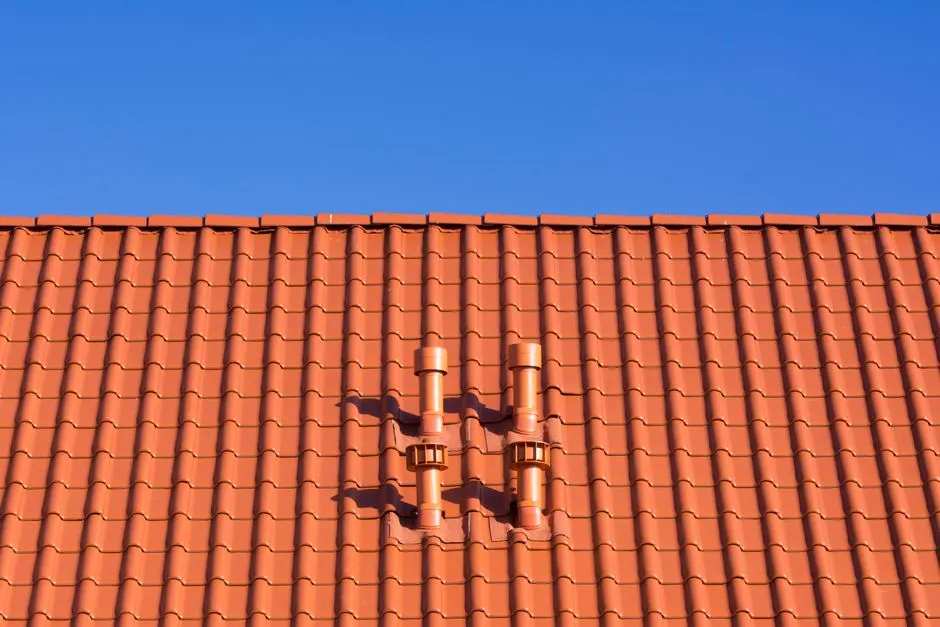
Flashing is the cheapest part of the roof to repair and the most common source of leaks. Fixing it early keeps water out of your decking, insulation, and drywall, and it costs a fraction of what a full roof replacement runs.
Stop leaks at the source
Most ceiling stains we trace back to a failed pipe boot or chimney counter-flashing, not the shingles themselves. Sealing that one joint stops the water before it reaches your attic insulation. We pressure-test with a hose after the repair so you know it holds before we pack up.
Protect the deck and framing
Water that gets past flashing rots roof decking, trusses, and fascia. A $400 flashing repair now beats a $3,000 decking replacement later. We check the surrounding sheathing with a moisture meter on every call so you know whether the damage stopped at the surface.
Hold up to storm season
Correctly installed flashing with proper fasteners and sealant handles 110 mph wind uplift better than the original builder-grade work. We fasten to Florida Building Code standards so your roof is ready before the next named storm spins up in the Gulf.
Keep your warranty intact
Manufacturer warranties from GAF, Owens Corning, and CertainTeed require flashing to be installed to spec. A documented flashing repair with the right materials keeps your shingle warranty valid instead of giving the manufacturer an out.
Google ★★★★★4.9
Called about a leak around my chimney and they were out the next morning. Found the problem in 20 minutes, quoted a fair price, and had it fixed by lunch. Water test passed and no leaks since. Highly recommend for flashing work.
Yelp ★★★★★4.8
We had three pipe boots fail at once on our rental property. They replaced all three in one visit and sent photos of the finished work. Price matched the quote exactly. Will use them again for the other units.
BBB ★★★★★4.9
After a storm, water was coming in around our valley flashing. They tarped it the same day and came back to do the permanent repair once the weather cleared. Documented everything for our insurance claim. Professional from start to finish.
We deliver flashing leak repair Florida homeowners can count on across the state, from the Gulf Coast to the Atlantic side. Our crews work out of multiple Florida hubs so we can reach coastal, inland, and suburban roofs without a long drive. Here are a few of the communities we serve regularly.
Flashing repair on the mix of older shingle roofs and newer tile homes in the Altamonte Springs area. We handle chimney and pipe boot work on both.
Coastal flashing repair in Aripeka with corrosion-resistant fasteners and marine-grade sealants for salt-air exposure. Pipe boots and valley flashing are common calls here.
Roof flashing services in Bay Pines for single-family homes and rental properties. We work with property managers on multi-unit flashing repairs and documentation.
Inland flashing repair in Branford on shingle and metal roofs. Afternoon storms and humidity drive most of the leak calls we get in this area.
Flashing leak repair in Center Hill for rural properties and older homes. We handle chimney flashing and step flashing on roofs that have not been serviced in years.
Coastal flashing repair in Cocoa Beach where UV and salt air break down pipe boots fast. We use UV-rated materials built for the beachside environment.
Real experiences from customers who chose our Roof Flashing Repair services.
“Water was dripping down the inside of my chimney chase every afternoon storm. Two other roofers told me I needed a full tear-off. These guys found the counter-flashing had pulled away, replaced it and the step flashing, and water-tested it. Total was under $700 and I have not seen a drop since.”
Marcus T.
Homeowner, Altamonte Springs
“Salt air had eaten through the pipe boot on my vent stack. They came out the same day I called, replaced the boot with a UV-rated one, and checked every other penetration while they were up there. Fair price, clean work, and they sent photos of everything they did.”
Danielle R.
Homeowner, Cocoa Beach
“I manage six rental units and flashing leaks were eating my maintenance budget. They repaired the flashing on three buildings, documented each one with photos, and gave me a schedule for the rest. Response time is fast and the invoices match the quotes every time.”
Ray P.
Property manager, Bay Pines
Real answers to the questions we hear most often from local homeowners and property managers.
When water is coming in right now, we tarp, stop the leak, and schedule the permanent fix. Most flashing leaks start as emergencies during a storm, so this pairs directly with our flashing work.
View Emergency Roof Leak RepairIf flashing has failed and rain is forecast, a properly fastened tarp buys you time. We use tarp and fasteners rated for Florida wind, then return to do the flashing repair once the weather clears.
View Emergency Roof TarpingPipe boots crack faster than any other flashing on a Florida roof. We replace failed boots with UV-rated replacements and reseal the collar so the penetration is watertight for years, not months.
View Roof Pipe Boot RepairTile roofs leak at the valleys, hips, and penetrations where flashing sits under the tile field. We lift tile, repair the flashing and underlayment, and reset the tile so the roof looks untouched.
View Tile Roof Leak RepairShingle roofs leak at step flashing, valleys, and nail pops. We repair the flashing, replace damaged shingles with matching GAF or Owens Corning product, and reseal the joint to spec.
View Shingle Roof Leak RepairMetal roofing panels expand and contract, which works fasteners loose at the flashing. We reseal penetrations, replace failed gaskets, and re-secure panels so the roof stays tight through temperature swings.
View Metal Roof Leak RepairCall us any hour, any day. Active leaks get priority dispatch, and most metro calls in Florida see a truck within two to four hours. If you prefer, send photos of the leak and we will call you back with a straight answer on what it takes to fix it.
Phone
+18506353106Address
954 W Colonial Dr, Orlando, FL 32804
Hours
Mon–Fri: 7AM – 7PM
Sat: 8AM – 4PM
Sun: Emergency Only
24/7 Emergency Available