Logo
Get Estimate

Emergency Roof Tarping Florida | Stop Roof Leaks Fast

Fast roof tarp installation that protects your home until permanent repairs begin


Water entering your home through a damaged roof, missing shingles, or a hole after a severe storm? Even a small opening can allow rainwater to damage your ceilings, walls, and belongings. Our Emergency Roof Tarping Florida service helps homeowners across the state, from Miami to Jacksonville, cover exposed roof areas and reduce further water intrusion. Whether your roof has storm damage, fallen branches, or an active leak, emergency tarping provides temporary protection until permanent repairs can be completed.

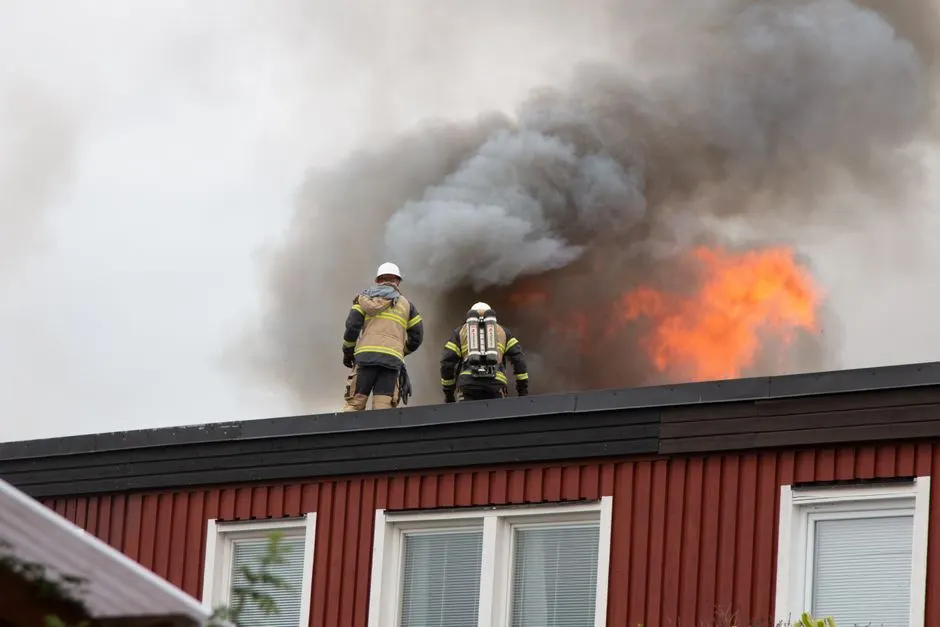
Firefighters tackling a rooftop blaze with smoke and flames in Stockholm. Emergency response scene.
Licensed Licensed & Bonded
Fully Insured Insured & Bonded
24/7 Emergency Same-Day Response
Warranty Backed 20+ Years Trusted

What Is Included in Emergency Roof Tarping

Every tarp job covers the essentials: inspection, tarp, fasteners, sealant, and documentation. The permanent repair is a separate step, and we quote it when you are ready. Here is what you get when we roll up.

Full Roof Inspection

We walk the roof with a moisture meter and check the obvious breach plus the flashing, pipe boots, and valleys around it. Storm damage rarely stops where it looks like it stops, and finding the rest now saves a second call later.

Heavy-Duty Tarp and Fasteners

We use commercial-grade tarps with cap nails or batten boards fastened into solid decking, not staples or rope. Edges get wrapped and weighted so wind cannot get under the material and peel it back.

Sealed Seams and Penetrations

Every seam and fastener gets a bead of roof sealant rated for Florida heat and UV. That is what keeps a tarp watertight through the next afternoon thunderstorm instead of leaking at the first hard rain.

Photo Documentation

We photograph the damage before we cover it and the finished tarp after. You get the file by email, which is exactly what your insurance adjuster wants to see when the claim is reviewed.

Written Summary and Repair Plan

You get a short written summary of what we found and what the permanent repair will involve. No pressure to book it on the spot, but we will schedule it whenever you are ready.

What Emergency Roof Tarping in Florida Actually Involves


Emergency Roof Tarping in Florida means covering the damaged section of your roof with a heavy-duty tarp that is mechanically fastened to the deck, not just draped over the shingles. We inspect the breach first, pull back loose material, then run the tarp over the ridge and down past the eaves so water sheds the way it should. Fasteners go into solid decking, and seams get sealed with roof sealant. A typical job takes two to four hours on a single-family home.

Florida roofs take a beating that roofs in other states never see. Hurricane season runs June through November, and the afternoon thunderstorms that roll through the rest of the year drop two inches of rain in under an hour. One missing shingle becomes a soaked attic, ruined insulation, and stained ceilings within a single storm. If you need roof tarp installation near me in Florida after a blow, calling early is what keeps a $400 tarp job from turning into a $12,000 deck replacement.

How Our Tarping Process Works

Five steps, from your first call to a dry roof. We tell you what is happening at each stage so there are no surprises.

01

Schedule

Call or book online — a real human picks up and confirms a 2-hour arrival window.

02

Diagnose

Licensed tech inspects on-site, then walks you through the cause and your options.

03

Fix

The job is completed to code and done right the first time — no shortcuts, no surprises.

04

Guarantee

Every job backed by a written workmanship warranty — and we stand behind it.

Tools and Methods We Use on Every Tarp Job

Tools & Equipment

Moisture Meter

Reads water content in decking, insulation, and drywall so we know exactly how far the leak has spread before we cover anything.

Infrared Thermal Camera

Shows temperature differences that reveal hidden wet zones behind ceilings and inside wall cavities, which is how we find leaks that do not show on the surface.

Roof Inspection Drone

Lets us survey steep or fragile roofs safely after a storm, so we can size the tarp and plan the install before anyone goes up.

Pitch Hoist

Lifts tarp rolls and materials onto steep roofs without dragging them across shingles, which protects both the roof and the crew.

Ladder and Harness Rigging

OSHA-compliant fall protection on every steep pitch. No one goes on a roof without it, regardless of how quick the job looks.

Roofing Nail Gun and Caulking Gun

Fastens battens and cap nails into solid decking and lays a clean bead of sealant along every seam and penetration.

Methods & Standards

Ridge-to-Eave Tarp Layout

We run the tarp over the ridge and down past the eaves so water sheds the way the roof was designed to. Tarps that stop short of the eave pond water at the bottom edge and leak anyway.

Mechanical Fastening to Decking

Cap nails and batten boards go into solid decking, not just the shingle surface. That is what keeps the tarp attached when 40 mph gusts hit it, which is common in Florida after a storm.

Florida Building Code Wind Uplift Compliance

We follow the wind-uplift requirements in the Florida Building Code, which matter most in coastal counties. The tarp is secured to the same standard we would use on a permanent roof.

Manufacturer-System Transition Planning

We plan the tarp so it can transition cleanly into a GAF, Owens Corning, or CertainTeed repair, or a Carlisle SynTec or Firestone TPO membrane repair on flat roofs. One crew from emergency cover to final fix.

When to Call for Emergency Roof Tarping

01

A hurricane just passed and a section of your roof is gone

What we do: We stage crews before landfall and roll as soon as winds drop below 40 mph. We tarp the open section, seal it, and document the damage for your claim while the storm is still fresh.

→ Your home stays dry through the cleanup, and your insurance file has photos from the day of the storm.

02

A tree limb punched through the roof over a bedroom

What we do: We remove what we can safely reach, tarp the opening, and check the attic for water spread. If the limb is too large to move, we tarp around it and coordinate removal.

→ The room below stays dry, and you have a clear plan for the structural repair.

03

Your ceiling is dripping and you cannot find the source

What we do: We use a moisture meter and infrared thermal camera to trace the water back to the breach, then tarp the actual source instead of guessing at the stain.

→ The leak stops at the roof, and you avoid paying for a repair in the wrong place.

04

You are selling a home and the buyer's inspection found an active leak

What we do: We tarp the area the same day, document the condition, and quote the permanent repair so the transaction can move forward without a stalled closing.

→ The deal stays on track, and the buyer sees a documented plan instead of an open question.

05

A commercial building has a flat roof leaking over inventory

What we do: We tarp the wet zone, check the drains, and coordinate with your team so the work does not interrupt business hours. Documentation goes straight to your risk manager.

→ Inventory stays dry, and the roof is stabilized until the full membrane repair is scheduled.

How Emergency Roof Tarping Runs Across Florida

Florida is not one climate, and tarping here is not one job. Coastal counties from Cedar Key to Cocoa face salt air, wind-driven rain, and the strictest wind-uplift rules in the state. Inland areas like Alachua and Archer deal with afternoon thunderstorms that drop two inches in an hour and tree limbs that come down on older roofs. Building stock varies too: 1920s bungalows with original decking, 1980s subdivisions with aging shingle roofs, and new construction with tile and standing-seam metal. We carry tarps, fasteners, and sealant sized for all of them. When you need a temporary roof repair in Florida during hurricane season, we stage crews ahead of landfall so we can roll the moment winds drop below 40 mph. That is how we get to active leaks the same day instead of the same week.

Neighborhoods We Serve

  • Historic District, Cocoa

    Older homes with original plank decking need cap nails placed carefully so the decking is not split. We adjust fastener spacing on these roofs.

  • Brandon

    Subdivisions built in the 1980s and 1990s have shingle roofs at the end of their service life. Storm damage here often reveals wear that was already there.

  • Cedar Key

    Coastal wind exposure is severe. Tarps here need extra battens and heavier fastening to survive the gusts that come off the Gulf.

  • Bartow

    Inland Polk County gets intense afternoon storms and lightning. We watch the radar and time installs between cells to keep crews safe.

Local Conditions We Plan For

  • Hurricane season from June through November

    Demand spikes and crews book out fast. Calling early in a storm cycle is what gets you on the schedule before the backlog builds.

  • Year-round afternoon thunderstorms

    Even outside hurricane season, a single storm can open a roof. We run same-day service all year, not just during named storms.

  • High UV and heat

    UV breaks down tarp material faster here than in cooler states. We use commercial-grade tarps and recommend permanent repairs within 60 days.

  • Coastal wind-uplift code requirements

    Coastal counties enforce stricter fastening standards. We follow the Florida Building Code on every tarp so it holds when the next system arrives.

Hurricane Breach on a Brandon Shingle Roof

Before

A named storm tore off two courses of shingles over the master bedroom. Rain was running down the inside of the wall, and the ceiling had already started to sag. The homeowner called at 11 p.m. with water in a bucket.

After

We tarped the back plane by 2 a.m., sealed the edges, and stopped the water. The permanent repair replaced 14 shingles and re-nailed the surrounding field. The ceiling was dried and patched the following week.

Maintenance: Check the tarp weekly for loose fasteners and schedule the permanent repair within 60 days. After the repair, have the roof inspected once a year before hurricane season.

Before

Three cracked tiles and a shifted ridge cap let water into the guest room every time it rained. The homeowner had patched it twice with sealant, and it kept leaking. The underlayment beneath was soaked across a four-foot section.

After

We tarped the section the same afternoon and replaced the cracked tiles and ridge cap the following week. The underlayment was dried and confirmed sound. No leaks through the next two storm cycles.

Maintenance: Walk the roof after every major storm and look for cracked or shifted tiles. Reseal the ridge cap every three to five years as the sealant ages.

Before

A commercial building had standing water over a 20-by-30-foot section after a tropical system. The TPO membrane had a seam failure, and water was dripping onto stored inventory. The owner needed the roof stabilized before the next rain.

After

We tarped the wet zone, cleared the drains, and repaired the seam the same week. The membrane was re-sealed and tested. Inventory stayed dry, and the roof has held through two more storm seasons.

Maintenance: Clear the drains quarterly and inspect the membrane seams twice a year. Ponding water should be gone within 48 hours of a storm; if it is not, call us.

Storm Damage Roof Tarping in Florida Solves Real Problems

Most calls we get are one of these five situations. Each one gets worse by the hour, and each one is fixable with a tarp and a fast turnaround.

Problem

Water pouring through a ceiling after a storm

Ceiling drywall sags, insulation soaks, and mold can start within 24 to 48 hours in Florida humidity. The longer it runs, the more of the interior has to be replaced.

Our Fix

We tarp the breach the same day, stop the water, and check the attic with a moisture meter to see how far the wet zone reaches. You get a dry roof and a clear picture of what the interior needs.

Problem

Missing shingles leaving bare decking exposed

Bare decking swells and delaminates fast. Once the sheathing is compromised, the repair goes from a shingle job to a deck replacement, which costs several times more.

Our Fix

We cover the exposed deck with a fastened tarp and seal the edges. That keeps the sheathing dry until we can replace the missing courses and re-nail the field.

Problem

Cracked tile or shifted panels after high wind

Tile and metal roofs hide their damage. Water slips under the surface and soaks the underlayment, which then fails across a much wider area than the visible crack.

Our Fix

We tarp the damaged section, then inspect the underlayment beneath it. When we return for the permanent repair, we reset or replace the tile or panel and confirm the layer below is sound.

Problem

Flashing and pipe boot leaks that only show up in heavy rain

These leaks are slow and sneaky. They stain a ceiling over weeks, rot the framing around the penetration, and often go unnoticed until the damage is well advanced.

Our Fix

We tarp the area, then reseal or replace the flashing and pipe boots during the permanent repair. That closes the leak at the source instead of just covering it.

Problem

Flat roof ponding after a tropical system

Standing water finds every seam and drain issue. A flat roof that ponds after a storm will leak somewhere new within days, even if it looked fine before.

Our Fix

We tarp the wet zone, check the drains and seams, and repair the TPO membrane or modified bitumen so the roof sheds water the way it was designed to.

Why Florida Homeowners Tarp First, Repair Second

Why Florida Homeowners Tarp First, Repair Second

A tarp is not a permanent roof. It is the barrier that buys you time, stops interior damage, and keeps your insurance claim clean while you line up the real repair.

  • Stops Water in Hours

    Water travels fast through an open roof. We cover the breach the same day you call, which halts ceiling stains, soggy insulation, and the mold that starts growing within 24 to 48 hours in Florida humidity. Most jobs are watertight before we pull out of your driveway.

  • Protects Your Insurance Claim

    Insurers expect you to mitigate further damage after a storm. A documented emergency roof tarp service in Florida shows you acted to protect the property, which supports your claim instead of giving the adjuster a reason to question it. We photograph everything before and after.

  • Buys Time for the Real Fix

    Roofing crews are booked solid for weeks after a hurricane. A properly fastened tarp holds for 30 to 90 days, so you can schedule the permanent repair without living under a leak. We mark the tarp date so you know when to check it.

  • Costs a Fraction of Replacement

    A single-section tarp runs a few hundred dollars. Replacing soaked drywall, insulation, and flooring after a week of leaks runs into the thousands. Tarping is the cheapest insurance you can buy mid-storm, and it keeps your family dry while you wait.

Licensed, Certified, and Proven

Licensed & Certified

  • Florida State Roofing License — issued by Florida Department of Business and Professional Regulation
  • GAF Master Elite — issued by GAF
  • Owens Corning Preferred — issued by Owens Corning
  • OSHA Safety Certification — issued by Occupational Safety and Health Administration

Verified Reviews

Google ★★★★★4.9

Called at midnight after a storm opened our roof. Crew arrived by 2 a.m., tarped the whole back plane, and emailed photos for our claim. No leaks since. Fair price and they did exactly what they said.

BBB ★★★★★4.8

We had a tile roof leak that two other companies could not find. Their technician used a thermal camera and traced it in 20 minutes. Tarped the area, came back the next week to fix it. Professional from start to finish.

Yelp ★★★★★4.9

Managed a flat roof leak over our warehouse. They tarped it the same day and repaired the membrane the following week. Clear pricing, no surprises, and they coordinated around our business hours.

What Florida Homeowners Say

Real experiences from customers who chose our Emergency Roof Tarping services.

“A limb came through our back roof during a July storm and water was pouring into the hallway. I called at 9 p.m. and a crew was on the roof by midnight. They tarped the whole back plane, sealed it, and emailed me photos for the insurance claim. Two days later we had zero new leaks.”

M

Marcus D.

Homeowner, Brandon

“After the last hurricane our tile roof had three cracked tiles and a leak over the guest room. They tarped it the same afternoon, then came back the following week to reset the tiles. The price they quoted was the price I paid. No surprises, no upsell.”

E

Elena R.

Homeowner, Cocoa

“I manage six rental homes and storm season is a nightmare. This crew tarped two of my properties in one day, documented everything, and sent me the files before dinner. I have used them three seasons running and they have never missed an arrival window.”

D

Dwayne P.

Property Manager, Bartow

Frequently Asked Questions

Real answers to the questions we hear most often from local homeowners and property managers.

How much does Emergency Roof Tarping cost in Florida?
Most single-section tarps run $350 to $900 in 2026, depending on roof height, pitch, and how much area needs covering. A small repair over one valley may land near $350, while a full-plane tarp on a steep two-story home can reach $900 or more. After-hours and storm-surge calls add a modest premium. You get the number before we start.
How long does a roof tarp last in Florida?
A properly fastened tarp holds 30 to 90 days in Florida sun and wind. UV breaks down the material faster here than up north, and summer heat softens the sealant. We recommend scheduling the permanent repair within 60 days. If a tropical system is forecast, we come back and re-secure the tarp at no extra charge.
Can I get emergency roof tarping during a storm in Florida?
Yes, when it is safe to be on a roof. We do not send crews up in active lightning or sustained winds above 40 mph, but we stage and roll as soon as the bands pass. During hurricane season we run extended hours and prioritize active leaks, open ceilings, and homes with children or elderly residents.
Does roof tarp installation prevent water damage in Florida?
It stops the water that is coming through the breach, which is the main source of ceiling stains, wet insulation, and mold. A tarp cannot dry out what is already wet, so we check the attic with a moisture meter and flag any saturated areas. Catching it early is what keeps a tarp job from becoming a drywall and insulation replacement.

Get Emergency Roof Tarping in Florida Before the Next Rain

Every hour a roof sits open, water finds a new path into your home. Call our 24/7 line and we will give you an arrival window on the spot. Same-day pricing, licensed crews, and a tarp that holds until the permanent repair is done.

Call 24/7 Call Now

Contact Our Florida Roof Leak Team

Call us any hour, any day. Active leaks get priority dispatch, and most metro calls in Florida see a truck within two to four hours. If you prefer, send photos of the leak and we will call you back with a straight answer on what it takes to fix it.

Emergency Roofing Service


  • Phone

    +18506353106
  • Address

    954 W Colonial Dr, Orlando, FL 32804

  • Hours

    Mon–Fri: 7AM – 7PM
    Sat: 8AM – 4PM
    Sun: Emergency Only
    24/7 Emergency Available

Call +18506353106 Get Quote
Call Quote