
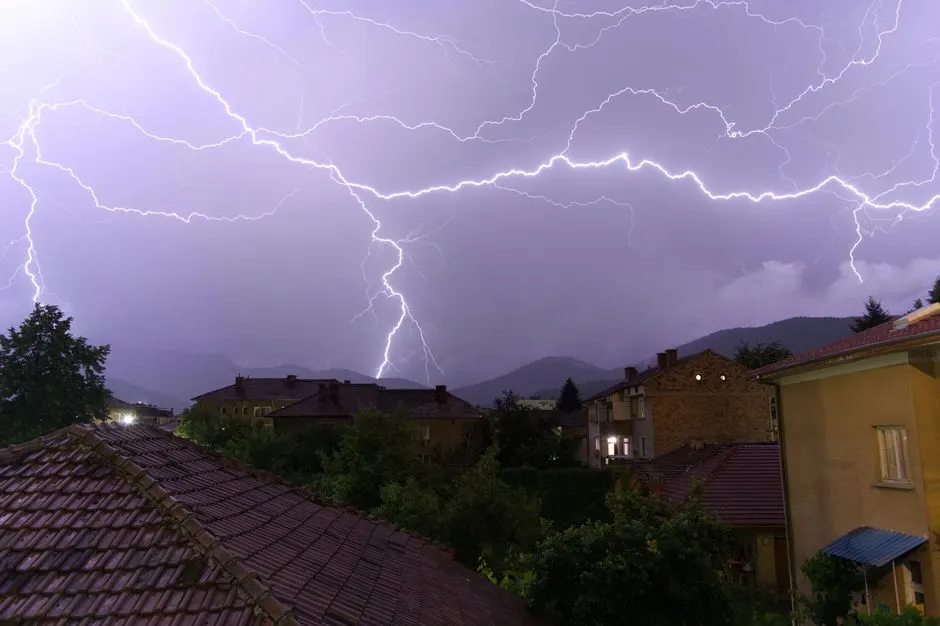
If your roof is leaking during heavy rain in Florida, the first thing to do is contain the water: move furniture and electronics out of the way, place buckets under the drip, and if the ceiling is bulging, turn off power to that room and call a professional immediately. The second thing is to document the damage with photos and call for emergency roof leak repair before the next storm band hits. This guide walks you through the 7 steps we give homeowners every time the phone rings during a Florida downpour, plus what causes these leaks and when to stop trying to fix it yourself.
Why Does My Roof Leak During Heavy Rain in Florida?
A roof leaking during heavy rain in Florida is usually not a sudden failure - it is a small weakness that finally gets overwhelmed. Florida gets intense, wind-driven rain that pushes water sideways and upward, so a gap that stays dry in a light shower can pour water into your attic during a 20-minute squall. The most common causes we find are failed flashing around chimneys and vents, cracked pipe boots, lifted or missing shingles, and clogged valleys that back water up under the roof edge.
Here is what we see most often in this region:
- Flashing failures - the metal that seals roof-to-wall and roof-to-chimney joints corrodes or pulls loose. This is the number one source of leaks we repair.
- Pipe boot cracks - the rubber collar around plumbing vents dries out and splits after 8-12 years of Florida sun.
- Wind-lifted shingles - a 60 mph gust can break the seal on asphalt shingles without tearing them off, leaving a path for water.
- Clogged valleys and gutters - when water cannot drain, it backs up under the roof edge and finds its way inside.
- Age - most asphalt shingle roofs in Florida last 15-20 years. Past that, every heavy rain is a test.
If you are seeing water stains on the ceiling after every storm, the leak is not going to seal itself. We handle Emergency Roof Leak Repair in Florida for exactly this situation - we find the entry point, stop the water, and make the repair permanent.
7 Things to Do Immediately When Your Roof Leaks
When your roof leaks during heavy rain in Florida, work through these seven steps in order. Each one buys you time and reduces the damage while you wait for a roofer to arrive.
1. Contain the Water Inside
Grab buckets, trash cans, and towels. Put them under the drip and move furniture, rugs, and electronics out of the room. If the water is coming through a light fixture, do not touch the fixture - turn off the breaker to that room first. Water and live wiring are a dangerous combination.
2. Relieve Pressure on a Bulging Ceiling
If the ceiling is sagging or bulging, the drywall is holding a pocket of water. Poke a small hole at the lowest point of the bulge with a screwdriver to let it drain into a bucket. This sounds counterintuitive, but it prevents a sudden collapse that can dump 20-30 gallons at once.
3. Document Everything
Take photos and video of the leak, the water damage, and any belongings that got wet. Note the date and time. Your insurance adjuster will want this, and it helps our team understand the scope before we arrive. If you have a homeowner's policy with storm damage coverage, this documentation is the backbone of your claim.
4. Move Valuables and Electronics
Water travels along ceiling joists and can drip far from the actual leak. Move anything valuable - art, electronics, important papers - to a dry room. If you have a second floor, check the ceiling below the leak area too; water often shows up one level down.
5. Do Not Go on the Roof During the Storm
This is the step people skip, and it is the most important one. A wet roof is slippery, lightning is a real risk, and wind gusts can knock you off balance. No bucket is worth a fall. Wait until the storm passes and the roof is dry before anyone goes up there.
6. Call for Emergency Roof Leak Repair
Call a roofer while the rain is still falling. We can often talk you through temporary measures over the phone and schedule a visit as soon as the weather allows. If the leak is severe, we may be able to tarp the roof even in light rain to stop further water intrusion. Our team provides Emergency Roof Tarping in Florida to keep the water out until permanent repairs can be made.
7. Check for Mold and Moisture After the Storm
Once the rain stops, look for musty smells, discolored drywall, and soft spots. Mold can start growing within 24-48 hours in Florida's humidity. If you find any, call a mold remediation specialist in addition to your roofer. We can recommend trusted local companies.
What to Watch Out For: Common Mistakes
The biggest mistake homeowners make during a roof leak is trying to fix it themselves while the storm is still going. We have seen people climb ladders in lightning, apply sealant to a wet roof (it will not stick), and even try to nail down shingles in 40 mph wind. None of it works, and all of it is dangerous.
Other mistakes we see:
- Ignoring a small leak. A drip that fills a cup a day can rot decking and insulation within weeks. By the time you see a stain, the damage is already underway.
- Using the wrong sealant. Hardware-store caulk is not a roof repair. It fails within months and makes the real repair harder.
- Not checking the attic. Water often enters at the roof and travels along framing before it shows up on your ceiling. If you can safely access the attic during a break in the rain, look for wet rafters and insulation.
- Waiting for the insurance adjuster before calling a roofer. You can - and should - get emergency repairs done first. Most policies cover reasonable emergency measures to prevent further damage.
If you are not sure whether your leak is an emergency, call us anyway. We would rather tell you it can wait than have you find out it could not.
When to Call a Professional for a Roof Leak in Florida
Call a professional roofer the moment you see water inside your home during heavy rain. That is the short answer. But there are specific situations where you should not wait even five minutes:
- Water is pouring through a light fixture or electrical outlet.
- The ceiling is bulging or sagging.
- You see mold or smell a musty odor.
- The leak is near a chimney, skylight, or vent.
- Your roof is over 15 years old and this is the second leak this year.
We handle all types of roof leak repair in Florida, including Roof Flashing Repair in Florida for the metal joints that fail most often, and Roof Pipe Boot Repair in Florida for the cracked rubber collars around plumbing vents. If your home has tile, shingle, metal, or flat roofing, we have a crew that works on it every day.
Our service area covers communities across the state, from Roof Leak Repair in Vero Beach on the Treasure Coast to Roof Leak Repair in Altamonte Springs in the Orlando metro. Wherever you are, we can get a roofer to your door.
Frequently Asked Questions
What should I do immediately if my roof leaks during heavy rain in Florida?
Contain the water with buckets, move valuables, and turn off power to any affected room if the ceiling is bulging. Do not go on the roof. Call for emergency roof leak repair as soon as you can - most companies, including ours, will help you over the phone while the storm is still active.
How do I stop a roof leak during a storm in Florida?
You cannot stop the leak from inside, but you can slow the damage. Use towels and buckets, and if you have a tarp and can safely reach the roof after the worst passes, cover the area. The permanent fix requires a roofer to find and seal the entry point. Never climb a wet roof during lightning.
Can I repair a roof leak myself during heavy rain in Florida?
No. Roofing in rain is dangerous and ineffective - sealants do not bond to wet surfaces, and the risk of falling is high. Wait for dry conditions and call a professional. If the leak is minor, temporary fixes like a tarp can help, but they are not a substitute for a proper repair.
When should I call a professional for a roof leak in Florida?
Call immediately if water is near electrical fixtures, the ceiling is sagging, or you see mold. For smaller drips, call as soon as the storm passes. Delaying even a day or two in Florida's humidity can lead to mold growth and rot that costs thousands to fix.
Does homeowners insurance cover roof leaks from heavy rain in Florida?
Most policies cover sudden damage from a storm, like wind-lifted shingles or a fallen branch. They typically do not cover leaks from lack of maintenance or normal wear. Document everything and call your insurer after you have secured emergency repairs.
Get Help with Roof Leak Repair in Florida
If your roof is leaking right now, do not wait for the next band of rain. We have crews ready to respond across Florida, and we can often tarp your roof the same day to stop the water. Call us at +18506353106 and we will get a roofer to your home fast.