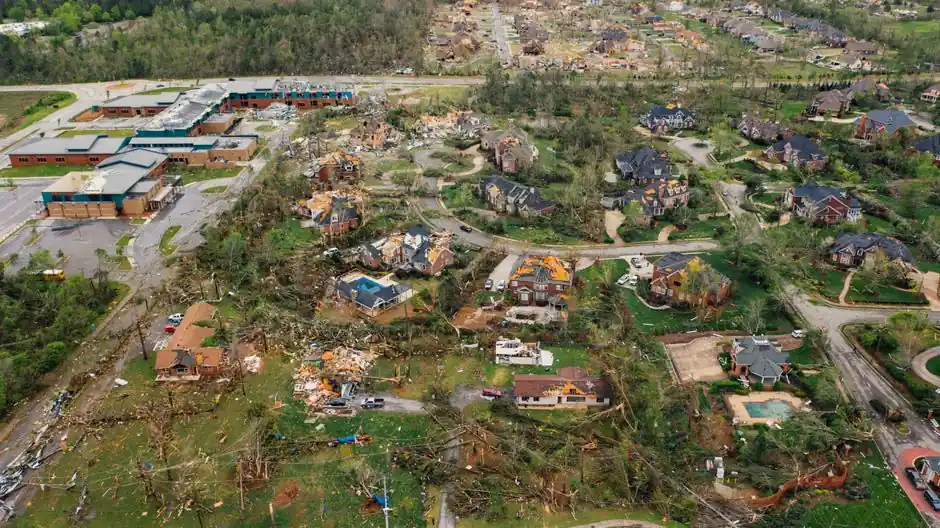
Emergency roof tarping in Florida is a same-day service that covers a leaking or storm-damaged roof section with a heavy-duty polyethylene tarp to stop water intrusion until permanent repairs can be made. It buys you time - usually 30 to 90 days - without tearing the roof apart mid-storm. We run these calls year-round, and November through April is when most homeowners finally deal with the small leaks that showed up during summer rains.
Here is what tarping actually does, what it costs in 2026, how long it holds, and when you should stop patching and call someone.
What Emergency Roof Tarping Actually Does
Emergency roof tarping is a temporary waterproofing method that covers the damaged area of your roof with a reinforced tarp secured by batten boards and capped screws. It is not a repair. It is a stopgap that prevents water from reaching your attic, insulation, drywall, and electrical runs while you wait for a permanent fix or an insurance adjuster.
A properly installed tarp sheds water off the roof slope instead of letting it pool. That matters in Florida, where a single afternoon thunderstorm can dump 2 to 3 inches of rain in under an hour. If your ceiling is already staining, a tarp buys you the hours or days you need before that stain becomes a collapsed section of drywall.
We install tarps on shingle, tile, metal, and flat roofs. The technique changes with the roof type - tile requires walking the pans and securing to battens, metal needs different fastening to avoid denting panels, and flat roofs need weighted edges rather than screw-down battens. If the damage is on a low-slope section, our team handles flat roof repair Florida work alongside the tarp so the fix is not just cosmetic.
How Does Emergency Roof Tarping Work in Florida?
Emergency roof tarping in Florida works in five steps: inspection, measurement, tarp placement, mechanical fastening, and water test. The whole process takes 60 to 120 minutes for a typical 400 to 800 square foot section, depending on roof pitch and how much debris is on the roof.
- Inspection. We walk the roof and find the actual entry point. Water travels. A stain on your ceiling in the hallway often traces back to a flashing failure 15 feet away.
- Measurement and tarp sizing. We cut the tarp to overlap at least 4 feet past the damaged area on all sides. Undersized tarps are the number one reason DIY tarp jobs fail.
- Placement. The tarp goes over the ridge when possible so water sheds down both slopes. On a hip roof, we run it over the nearest hip line.
- Fastening. We use 1x4 or 2x4 batten boards screwed through the tarp into the roof deck at 24-inch intervals. Screws are capped or neoprene-washered to prevent new leaks at the fastener points.
- Water test. We run a hose over the tarped area and check the attic for drips before we leave.
If the leak is coming from a pipe penetration, we often find a cracked rubber boot underneath. That is a separate fix - our Roof Pipe Boot Repair in Florida service replaces the boot and seals the penetration so the tarp is not masking a problem that will return the moment it comes off.
How Long Does a Roof Tarp Last in Florida?
A roof tarp in Florida lasts 30 to 90 days under normal conditions. UV exposure, wind, and rain degrade the material faster here than in most states. A 6-mil poly tarp might make it 30 days. A 10-mil or 12-mil reinforced tarp with UV inhibitors can hold 60 to 90 days, sometimes longer if the weather stays mild.
Three things shorten tarp life in Florida:
- Direct sun. Central and South Florida get 230 to 250 sunny days a year. UV breaks down poly tarps from the top down.
- Wind. Sustained 20 mph winds with gusts to 40 will work loose any tarp that is not battened properly. Hurricane season runs June 1 through November 30, and even a tropical storm can rip a poorly secured tarp off in minutes.
- Ponding water. On flat or low-slope roofs, water pools on top of the tarp and adds weight. We weight the edges with sandbags or pavers on flat sections to prevent this.
Do not treat a tarp as a permanent roof. If you are still tarped after 90 days, you are one storm away from water in your attic again. We see this most often in older neighborhoods - for example, homeowners dealing with Roof Leak Repair in Vero Beach after a summer storm often find their tarp from the previous season has already failed.
How Much Does Emergency Roof Tarping Cost in Florida?
Emergency roof tarping in Florida costs $350 to $1,200 for a typical residential roof section in 2026. The average homeowner pays around $600. Price depends on roof size, pitch, accessibility, and whether the call is after hours.
Here is a realistic 2026 breakdown for Florida:
- Small section (under 400 sq ft), standard hours: $350-$550
- Medium section (400-800 sq ft): $550-$850
- Large section or full roof (800+ sq ft): $850-$1,200+
- After-hours, weekend, or holiday emergency call: add $150-$300
- Two-story or steep pitch (8/12 or greater): add $100-$250 for safety rigging
Most Florida homeowner insurance policies cover emergency tarping as part of a storm damage claim. Save the invoice and photograph the damage before and after. Your adjuster will want both.
One more thing: tarping is not the same as fixing the leak. If the underlying problem is flashing, you are looking at a different scope. Our Roof Flashing Repair in Florida work addresses the metal and sealant around chimneys, valleys, and wall intersections - the spots that fail most often after a wind event.
Tarping Before a Storm vs. After the Damage
Can you get emergency roof tarping before a storm in Florida? Yes, and it is the smarter move if you already know you have a weak spot. If a prior leak was patched but never properly repaired, or if you have missing shingles from the last storm, tarping ahead of a named system is cheaper than cleaning up water damage afterward.
We get calls both ways. Here is how they compare:
- Pre-storm tarping: Scheduled, lower cost, no water damage yet. You control the timeline. Best done 24 to 72 hours before a system is forecast to hit.
- Post-storm tarping: Emergency pricing, active leak, possible interior damage. You are reacting. Often booked out 24 to 48 hours during a busy storm week.
During hurricane season, we prioritize active leaks and pre-storm requests from homeowners with known vulnerabilities. If you are in a low-lying coastal area or an older home with original roof decking, pre-storm tarping is worth the call. Homeowners along the coast - including those we help with Roof Leak Repair in Atlantic Beach - know how fast salt air and wind-driven rain can turn a small flashing gap into a soaked ceiling.
Common Mistakes We See Homeowners Make
The biggest mistake is using a blue hardware-store tarp and calling it done. Those tarps are 5 to 6 mil thick, tear at the grommets, and flap loose in the first 30 mph gust. They also do not overlap enough - a 10x12 tarp on a 10x12 damaged area leaves zero margin for wind-driven rain.
Other mistakes:
- Nailing through the shingles. Every nail is a new hole. We screw through battens, not directly through the roof surface.
- Skipping the ridge. A tarp that stops below the ridge lets water run underneath it.
- Ignoring the attic. If you tarp but never check inside, you will not know whether the leak is actually stopped.
- Leaving it on too long. A tarp is a 30-to-90-day solution. After that, the tarp itself becomes the problem.
- Not documenting for insurance. Photograph everything before the tarp goes on. Once it is covered, your adjuster cannot see the original damage.
If your roof is tile, do not let anyone walk it without tile experience. Cracked tiles from a careless tarp install cost more to fix than the tarp itself. Our Tile Roof Leak Repair in Florida team handles tarping and tile work together so nothing gets broken in the process.
When to Call a Professional
Call a professional the moment water is actively entering your home, when you see sagging drywall or bubbling paint, or when the leak is anywhere you cannot safely reach. Roof work on a wet, steep, or two-story roof is not a DIY job - falls are the leading cause of injury on residential roof projects.
We handle emergency roof tarping across Florida, including after-hours calls. Our team inspects, tarp, and documents the damage in one visit so you have what you need for your insurance claim. If the leak turns out to be more than a tarp can solve, we scope the permanent repair on the same trip.
If you are not sure whether you need a tarp or a full repair, start with our Emergency Roof Leak Repair in Florida service. We diagnose first, then recommend the smallest fix that actually stops the water.
Frequently Asked Questions
How does emergency roof tarping work in Florida?
We cover the damaged roof section with a reinforced tarp, secure it with batten boards and capped screws, and overlap it at least 4 feet past the leak. The tarp sheds water off the slope until permanent repairs are made. Most installs take 60 to 120 minutes.
How long does a roof tarp last in Florida?
30 to 90 days. UV exposure and wind shorten tarp life in Florida more than in most states. A 10-mil or 12-mil UV-rated tarp holds 60 to 90 days; thinner tarps may fail in 30. Do not rely on a tarp past 90 days.
Can I get emergency roof tarping before a storm in Florida?
Yes. Pre-storm tarping is scheduled 24 to 72 hours before a system hits and costs less than emergency post-storm pricing. It is the right call if you have a known weak spot, missing shingles, or a previously patched leak.
Does roof tarping prevent water damage in Florida?
Yes, when installed correctly. A properly battened tarp stops water from reaching your attic, insulation, and drywall. It does not fix the underlying leak, so schedule the permanent repair within 30 to 90 days to avoid repeat damage.
How much does emergency roof tarping cost in Florida?
Typical 2026 pricing is $350 to $1,200, with most homeowners paying around $600. After-hours calls add $150 to $300. Most Florida homeowner policies cover tarping as part of a storm damage claim.
Get Help with Roof Leak Repair in Florida
If water is coming in now, we can tarp it today and stop the damage from spreading. Call Emergency Roofing Service at +18506353106 for same-day emergency roof tarping across Florida.